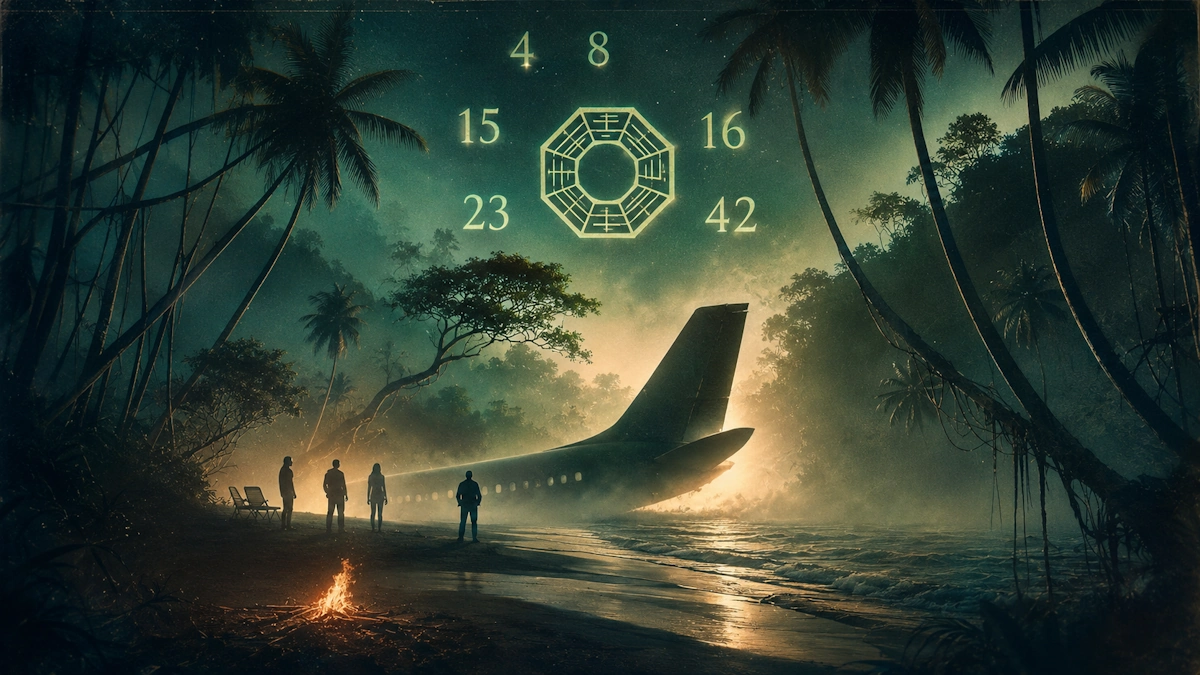
When the world saw the pilot episode of “Lost” in September 2004, no one knew what would happen next. And that was the beautiful part. For perhaps the first time, a mass audience was not demanding clarity. It was craving fog.
The Island, the monster, the numbers, underground hatches, a man named Locke who could walk and then could not again. “Lost” did not simply set the trend for mystery-box narratives — it became a cult object not because of its answers, but because of the way it held attention with questions.
It was the first blockbuster TV series with a budget that felt cinematic. The immersion was total: viewers argued on forums, recorded podcasts, built theories and analyzed frames with the precision of people whose lives somehow depended on it.
“Lost” became the prototype for digital-era serial obsession. It arrived at the moment when the internet already made collective investigation possible, but had not yet killed intrigue overnight. It was not a show about what happened. It was a show about what you thought had happened.
With every episode, the Island grew stranger, the characters deeper, and we became more involved. And when the show reached its finale in 2010, millions of viewers felt like passengers of Flight 815: landing was possible, explaining everything was not.
“Lost” opened the door for “Westworld”, “Dark”, “Manifest” and, of course, “Black Mirror”. It proved that a series could be more than entertainment; it could be an experience. That entire philosophies could be hidden inside 40-minute chapters.